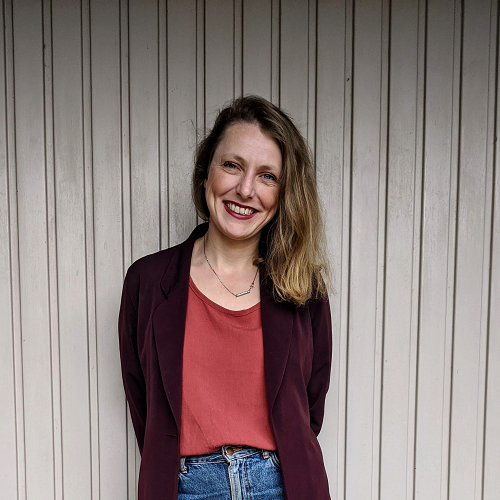
Hosted By
In this episode Jessie takes us on a personal journey: how has the task of acquiring clothes evolved throughout her lifetime, in a rapidly changing China? Why we’re delving into this question requires a bit of a roundabout explanation...
A question on Jessie’s mind throughout this podcast has been: if one lives in a big city and can only afford a 5$ T-shirt, is there a way to shop sustainably? At first, Jessie tried to find technical answers to this question. But gradually, she concluded that doing sustainability affordably is less of a technical issue and more of a political one. It’s about inequality in a society – how wealth is distributed or centralized.
This left her feeling a bit helpless. But then she wondered: could looking back give a clue as to the way forward? Kim, having grown up primarily in the “West”, hardly remembers a time when her clothes weren’t made abroad. But in Jessie, having grown up in China, has seen the way she acquires clothes change immensely over her lifetime. So where did she get her clothes when she was a kid? Where did her parents get their clothes in the 1960s? Where did her grandparents get their clothes in 1940’s, in a mostly pre-industrial China? Though a single personal story will never give us all the answers, we hope that Jessie’s memories can be a tiny note of a reference for imagining the possibilities of a more sustainable future.
One OpEd we read recently caught our attention: Could the solution to our sustainability challenges be de-materializing the fashion industry? What if the fashion industry stopped selling stuff? And if the fashion industry did manage to de-materialize, how do we ensure the vulnerable livelihoods associated with making stuff aren’t disproportionately affected? Is there an alternative to economic models based on growth?
We’re always up for the thought provoking pieces Elizabeth Cline puts out. Have you seen her latest piece on greenwashing? Her words: “…underneath all of the debate about greenwashing in fashion is a much bigger conversation. We’re not really talking about greenwashing; we’re talking about the future of life on this planet.”
Photo Balazs Fejes
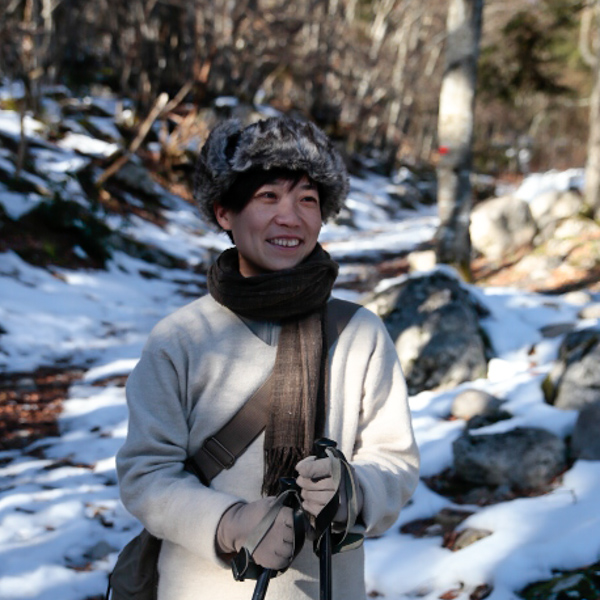
We wanted to kick off this podcast series with an in-depth exploration of co-host Jessie’s experiences throughout the fashion supply chain. Jessie began her...

This week’s episodes bring together people from opposite ends of the fashion supply chain – two suppliers and an impact investment strategist. On the...
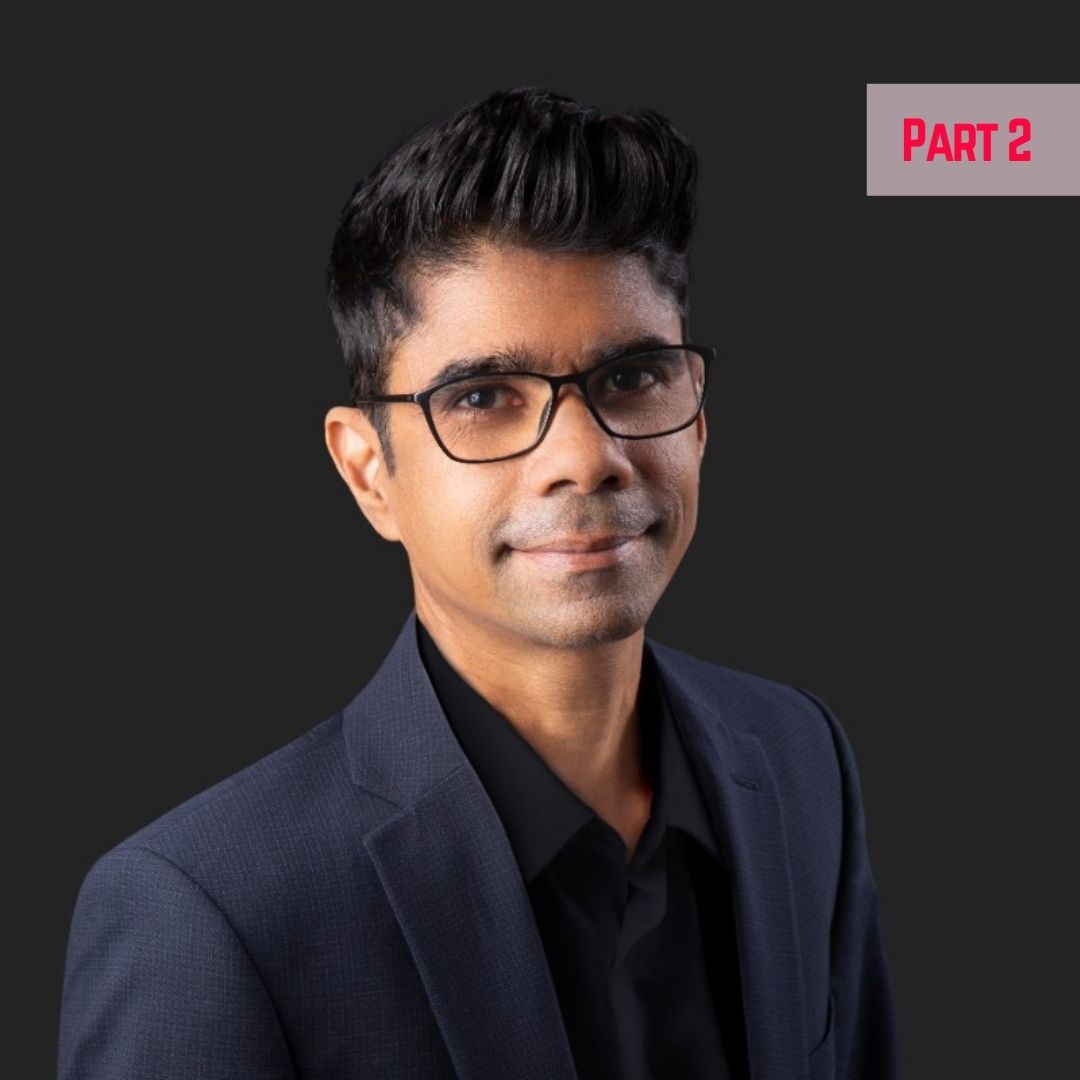
This is part two of our conversation with Dr. Vidhura Ralapanawe. The conversation is co-hosted by Manufactured co-founder, Jessie Li. Vidhura is the Executive...